A loading dock that goes down mid-shift does not wait for business hours to cost money. Every hour a dock position is out of service means idle labor, queued trailers, and delivery commitments at risk. For high-volume facilities running two or three shifts, reaching a qualified technician at any hour is not a luxury. It is an operational requirement. That is the case for 24/7 commercial door and loading dock repair services.
Why Downtime Hits Hardest in High-Volume Operations
High-volume facilities run on tight schedules. Distribution centers, food processing plants, mass retailers, and third-party logistics providers all depend on dock throughput to meet their commitments. When a dock leveler fails or a vehicle restraint stops engaging, the work shifts to others with friction. Labor idles at the affected dock. Supervisors scramble. Inbound trailers queue in the yard. Outbound shipments fall behind.
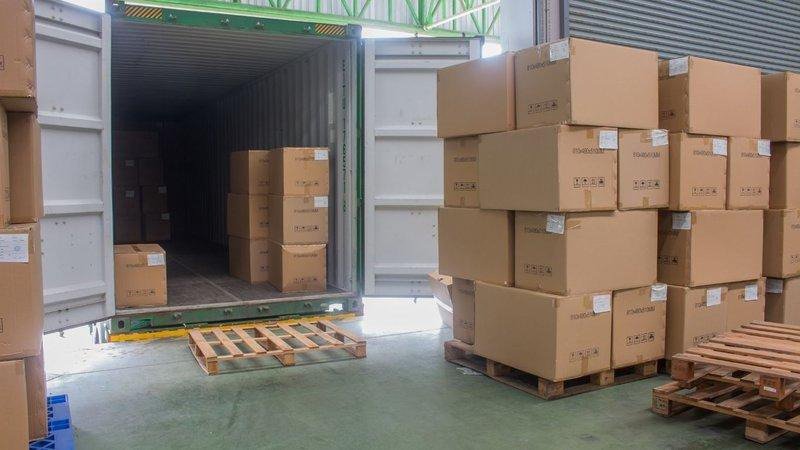
The cost of that disruption is not just the repair bill. It is also the labor cost for workers standing idle, the cost of delayed shipments, and in some cases, the penalties tied to missed delivery windows. For a facility processing thousands of units per shift, even a two-hour outage has a real cost. Furthermore, the longer a loading dock repair takes to begin, the more those costs grow. Safety also plays a factor. Allowing a faulty dock to stay in service only compounds the safety and cost of exposure.
Emergency repairs outside of business hours also carry a premium. Parts sourced on short notice cost more. Hourly rates skyrocket when a technician is dispatched outside normal scheduling windows, often doubling the bill. By contrast, facilities with a 24/7 service agreement know exactly what to expect. They know who will respond based on a predetermined service level agreement (SLA). Instead of scrambling to find a technician at 2 AM, they make one call. Such predictability brings real peace of mind.
Reducing Emergency Loading Dock Repair Calls Starts Before Equipment Fails
24/7 loading dock repair is an important safety net, but the strongest maintenance programs are built to rely on emergency service as little as possible. Proactive maintenance helps facilities identify wear, damage, and performance issues before they turn into failures, reducing emergency repair calls, supporting safer working conditions, and giving teams better visibility into repair and replacement planning.
Regular inspections, planned service, and asset condition data help facility managers understand which dock positions need attention now, which can be monitored, and which may require capital planning. That visibility is especially valuable for high-volume and multi-site operations, where one unexpected loading dock failure can create safety concerns, disrupt throughput, and increase total cost of ownership.
When loading dock repair is needed, response quality still matters. The right support should bring trained technicians, stocked service vehicles, consistent repair standards, and the ability to resolve issues quickly so facilities can protect uptime and keep operations moving.
The goal is not just fewer emergency repairs; it is more predictable operations, safer equipment, and better decisions over the life of each asset. If your facility is facing frequent loading dock repair needs, aging equipment, or inconsistent service history, MINER can help assess your current maintenance approach and recommend a plan built around safety, uptime, and long-term cost control. Connect with our team to start the conversation before the next failure forces the issue.