Every facility manager knows the frustration of an unplanned equipment failure. One malfunctioning loading dock can stall receiving operations, back up outbound shipments, and force overtime labor to recover what a single scheduled inspection might have prevented. The loading dock is one of the highest-traffic, highest-stress points in any distribution or industrial facility, and treating its maintenance as reactive rather than planned is one of the most avoidable operational risks a facility can carry.
Why the Loading Dock Is a High-Risk Maintenance Blind Spot
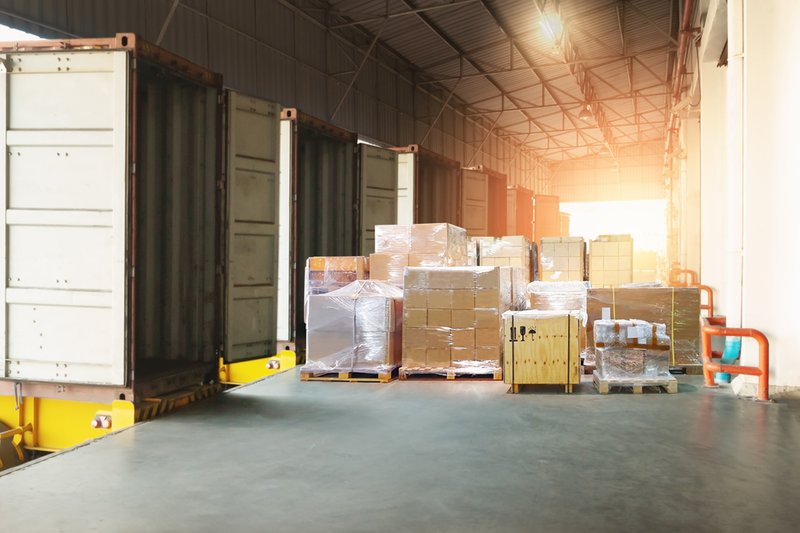
Most facilities allocate maintenance budgets around equipment that is visibly critical, such as conveyor systems, HVAC, or refrigeration. The loading dock often gets attention only after something breaks. But dock levelers, dock seals, vehicle restraints, and dock doors cycle through thousands of uses per year in high-volume operations. That level of wear accumulates steadily, and failures rarely announce themselves with warning.
When a loading dock goes down unexpectedly, the cost is rarely limited to the repair invoice. Labor sits idle while the equipment is down, carriers wait, and shipments get delayed. In cold storage and food processing environments, unplanned dock downtime can affect temperature control and product integrity. The full cost of a single failure event almost always exceeds what a scheduled maintenance visit would have cost.
What Planned Maintenance Actually Covers
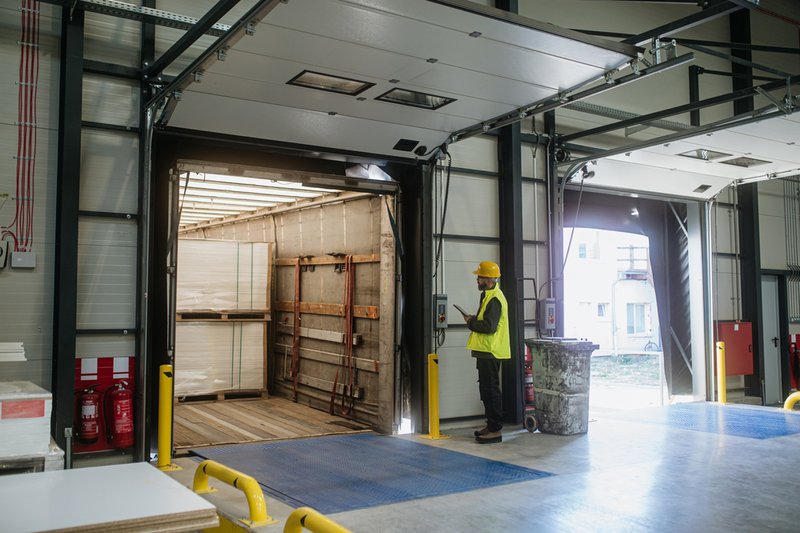
A structured loading dock maintenance program does more than lubricate hinges and check alignment. It establishes a documented inspection cycle that identifies wear patterns before they become failures. Technicians assess the condition of dock leveler components, pit covers, bumpers, seals, and restraint systems, flagging issues at the point of early wear rather than at the point of breakdown.
For facilities operating across multiple shifts or around the clock, this kind of visibility is operationally significant. A loading dock that fails at 2:00 AM on a Sunday does not fail randomly. It fails because wear that was visible weeks earlier was never addressed, and planned maintenance closes that gap.
SafeACT Proactive Maintenance Plans from MINER are structured around this principle. Rather than waiting for a failure event, SafeACT schedules regular inspections that keep dock equipment in verified working condition and give facility managers documented records of equipment health over time.
The Compliance Dimension in Maintaining Loading Docks
Loading dock maintenance is not only an efficiency issue. OSHA standards and related industry safety guidelines require that dock equipment be maintained in safe operating condition. Vehicle restraint failures, dock leveler malfunctions, and deteriorated seals all carry injury risk. Planned maintenance creates the inspection trail that supports compliance and protects facilities in the event of an incident investigation.
Facilities that operate without a documented maintenance program are harder to defend when an incident occurs, even if the equipment failure was not the direct cause of an injury. Regulators look for evidence of systematic safety management, and a planned loading dock maintenance program is part of that evidence.
Building a Loading Dock Maintenance Program That Holds Up Under Operational Pressure
The challenge for most facilities is not understanding why planned maintenance matters. The challenge is executing it consistently when operations are running at full capacity and maintenance teams are stretched. That is where a structured service partner adds value beyond the inspection itself.
MINER works with facility managers, maintenance supervisors, safety leaders and operations teams to build loading dock maintenance schedules that fit the facility's operational calendar, not just a generic service interval. The goal is a program that runs consistently, produces reliable documentation, and surfaces the right issues at the right time.
Research published in 2023 by IndustryWeek shows that facilities in the top quartile of reactive maintenance reliance experience 3.3 times more downtime than those in the bottom quartile. Facilities that shift from reactive to planned loading dock maintenance consistently report fewer emergency repair events, lower total repair costs over time, and better readiness during peak operational periods.
If your facility is still managing loading dock maintenance reactively, a more structured approach is worth evaluating. Learn how MINER’s SafeACT Proactive Maintenance Plans can reduce unplanned downtime, improve safety and build the operational reliability your facility needs.