Preventive facility maintenance turns unpredictable equipment behavior into planned service windows across distribution operations. Structured routines catch small issues before they escalate into mechanical failure or safety incidents. Long-term reliability depends on how often and how thoroughly your program addresses each critical asset.
Industry data shows measurable returns for preventive maintenance across warehousing and distribution facilities. According to NIST, manufacturers that rely most heavily on reactive maintenance experience 3.3 times more downtime than those using more proactive maintenance strategies. The same research found that facilities using more preventative and predictive maintenance reported significantly lower levels of planned downtime and defects.
How Does Preventive Facility Maintenance Improve Operational Reliability?
Preventive facility maintenance improves reliability by cutting unplanned downtime, extending equipment life, and reducing safety incidents. Structured service also stabilizes budgets, protects compliance, and generates data for capital planning. Long-term gains show up in higher equipment availability, lower repair spend, and fewer emergency events.
Reduce Unplanned Downtime Through Structured Facility Maintenance
Unplanned downtime cuts throughput and drives most cost overruns inside any facility maintenance program. Emergency repairs cost more than the same work performed on a scheduled visit. Every hour of equipment failure also removes measurable capacity from your loading, storage, and shipping operations. Focus preventive routines on the highest-impact asset categories inside every warehouse or distribution facility:
- Dock levelers, restraints, seals, and bumpers with daily and semi-annual inspections
- Overhead sectional, high-speed, and fire-rated doors with cycle-count triggers
- Forklifts, pallet jacks, and material handling equipment with pre-shift and quarterly checks
- Racking, guardrails, and safety systems with documented annual inspections
Structured cadences also give your team documented proof of due diligence during audits. Scheduled service produces cleaner parts availability, faster technician response, and lower emergency labor rates. Downtime tracking by asset also reveals which units approach end-of-life before they trigger failure events. Data from prior years builds the baseline against which you measure future reliability gains.
Extend the Lifespan of Critical Equipment

Preventive facility maintenance extends the working life of dock levelers, doors, and material handling equipment across your operation. Lubrication, seal replacement, and hydraulic fluid changes address the wear that shortens your asset life. Manufacturer specifications also assume routine service that most reactive operations skip until visible failure occurs.
Well-maintained dock levelers reach 20 to 25 years of service life inside typical operations. Neglected units in high-volume facilities can fail in under 10 years of service.
Overhead doors also respond to preventive care through spring, track, roller, and cable service. Weather seal replacement before winter or summer extremes also prevents corrosion, air infiltration, and hardware fatigue. Cycle-count triggers rather than calendar dates match service to actual usage on high-cycle assets.
Learn how we structure lifespan protection through the company's MinerCARE programs built for reliability. Extended asset life also delays capital replacement and smooths your capital budget over multiple years. Documented service history strengthens warranty and insurance claims when major components eventually require replacement.
Protect Safety Compliance With Preventive Facility Maintenance
Safety compliance depends on documented facility maintenance across dock equipment, doors, and material handling assets. Occupational Safety and Health Administration (OSHA) standards also require inspection records, corrective actions, and training documentation. Missing records expose your facility to citations, elevated insurance premiums, and workers' compensation liability.
Preventive routines catch worn or damaged safety devices before they contribute to a recordable incident. Documented safety findings also feed root-cause analysis for near-miss and injury reports. Trained technicians verify that your interlocks, sensors, and emergency stops all function as designed.
Insurance carriers increasingly require documented preventive programs as a condition of coverage. Reduced incident rates also produce experience modification improvements that lower future insurance premiums.
Structured programs turn safety compliance from a scramble into a documented ongoing routine. Records also support fast, accurate response during any regulatory inspection or insurance investigation.
Stabilize Budgets and Cut Long-Term Repair Costs
Preventive facility maintenance stabilizes your annual budget by converting reactive spikes into predictable scheduled spending. Emergency repair invoices carry premium labor rates, overnight parts shipping, and rework costs. Planned service converts variable costs into a smooth monthly or quarterly budget line item.
Small preventive replacements cost a fraction of full component or unit replacement over time. Bearings, seals, springs, and rollers follow known wear curves that scheduled service addresses. Data from prior maintenance records helps your finance team defend capital requests with concrete trends. Predictable maintenance spending also protects operating margins during periods of revenue volatility. Review our scalable maintenance program, structured for multi-site cost stability.
Build a Reliable Facility Maintenance Data Program
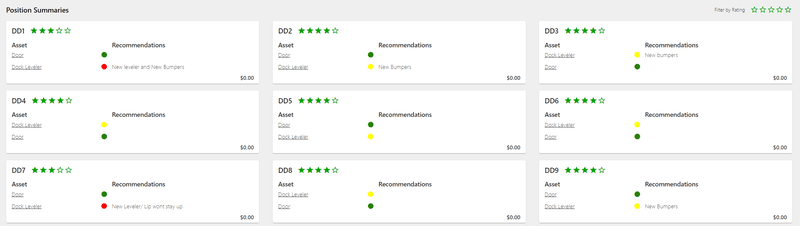
Data-driven facility maintenance decisions outperform gut-feel decisions across warehouse and distribution operations over multi-year windows. Patterns across multiple assets also reveal systemic issues that your single-asset view would miss.
You track repair frequency, mean time between failures, and downtime hours across every critical asset. Trending data also reveals which assets approach end-of-life before they trigger emergency spending.
Mean Time Between Failures (MTBF) and Return on Investment (ROI) calculations give leadership defensible numbers for capital decisions. Facilities tracking these numbers over years build a compelling case for continued investment. Well-maintained data preserves institutional knowledge as staff rotates through the operation over years.
Strengthen Your Facility Maintenance Program With MINER
Preventive facility maintenance drives reliability through less downtime, longer equipment life, and cleaner safety and financial records. Each benefit compounds over multi-year windows as your processes and data mature. Long-term reliability shows up in higher throughput, lower total cost of ownership, and fewer emergency events.
Contact our facility experts to schedule a consultation.