Distribution centers run on throughput. Every operating hour gets measured against targets. The equipment at the loading dock is foundational to hitting them. Dock levelers, vehicle restraints, dock seals, and dock doors are not glamorous capital investments. They are the physical interface between the facility and the supply chain. When this equipment ages without a structured replacement plan, the impact on efficiency builds gradually. It often builds too gradually to trigger a formal response until a failure makes the problem impossible to ignore.
How Aging Dock Equipment Degrades Throughput Without Failing Completely
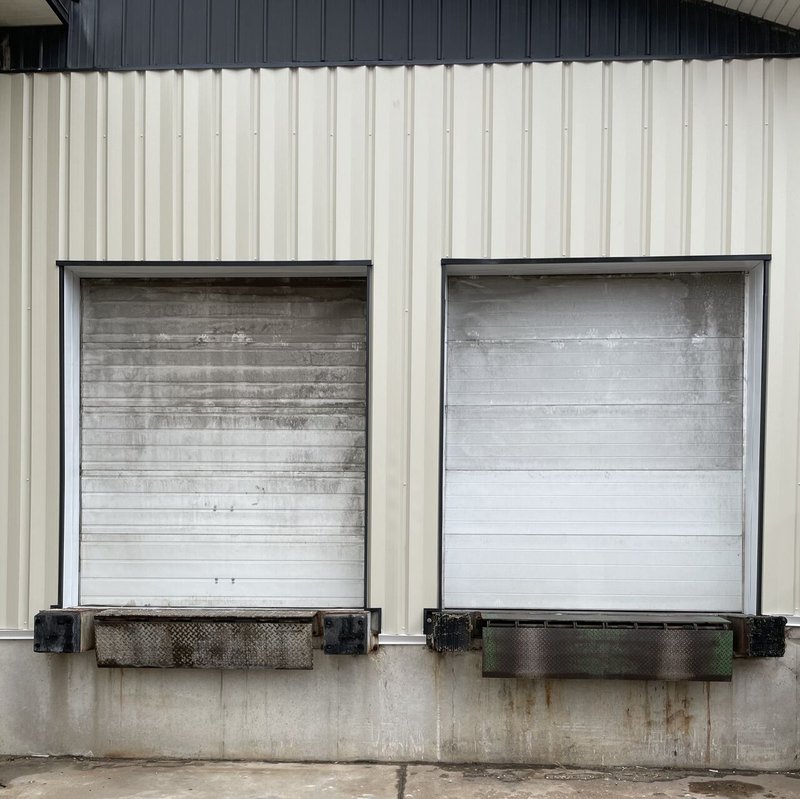
Sudden failure is not the most damaging characteristic of aging dock equipment. It is gradual degradation that slows operations without creating an obvious incident. A dock leveler that is slow to position adds seconds to each trailer load cycle. Those seconds compound into meaningful labor and throughput losses across dozens of dock positions and hundreds of cycles per day. A vehicle restraint that requires manual intervention adds steps to the dock process. It also creates inconsistency across shifts.
These inefficiencies rarely appear on a maintenance report because nothing has technically broken. They show up in labor variance, cycle time data, and supervisor time spent managing dock-level friction. Facilities that do not connect those operational metrics to equipment condition often miss the signal until something fails outright.
The Safety Dimension of Aging Dock Equipment
Aging dock equipment also carries increasing safety risk over time. Worn or inconsistent vehicle restraints create trailer creep risk, one of the most serious hazards in dock operations. Dock levelers with worn components can create trip hazards or fail during loading and unloading. Deteriorated dock seals disrupt temperature control in cold storage environments. They can also allow exhaust infiltration when trailers sit at the dock with engines running.
None of these conditions improve with continued use. They worsen on a predictable trajectory. Liability exposure increases as equipment condition deteriorates. Facilities that lack documented inspection records for aging equipment face a harder position in the event of an incident. A clear equipment condition history, maintained through regular inspection, is both an operational asset and a compliance resource. It demonstrates that the facility actively manages the risks that aging dock equipment carries.
Evaluating Equipment for Replacement vs. Continued Maintenance
Not all aging dock equipment needs replacement on the same timeline. Prioritizing replacements based on condition data rather than age alone produces better capital outcomes and avoids both premature replacement and delayed action. A structured assessment gives facility managers and maintenance supervisors the information they need. It supports rational capital prioritization rather than reactive decision-making.
The key variables are remaining service life based on current condition, the cost trajectory of continued maintenance versus replacement, and the operational and safety risk the equipment carries now. Equipment that fails frequently, degrades throughput measurably, or creates documented safety exposure typically crosses the replacement threshold early. Most aging dock equipment rarely reaches the end of its published service life before a replacement decision is justified. Waiting until failure forces the decision almost always costs more than acting on the assessment data.
Our MinerCARE® services include equipment assessments that give facility managers a clear view of equipment condition across their facilities. This baseline supports immediate maintenance prioritization. It also supports longer-term capital planning conversations with operations and finance leadership.
Planning Dock Equipment Upgrades to Minimize Operational Disruption
Once the case for replacement is clear, sequencing and scheduling matter as much as equipment selection. Work planned around operational calendars moves faster. Technicians who know the facility create less disruption. OEM-certified parts and equipment reduce the risk of compatibility issues after installation. Reactive replacements rarely achieve the same outcome.
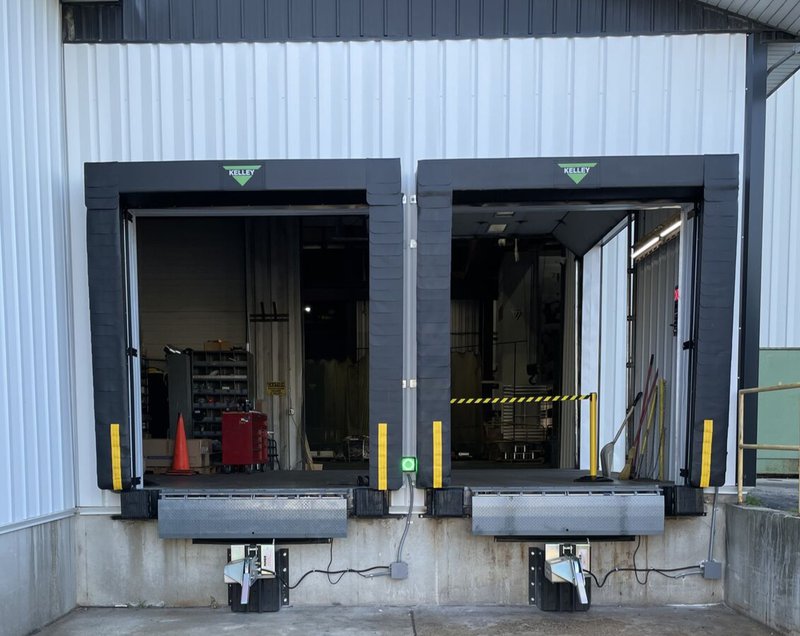
Modern Materials Handling has documented the shift at distribution centers and manufacturing plants toward higher-performing dock systems. Improvements to vehicle restraints, dock seals, and leveler systems have direct consequences for both operational efficiency and worker safety. Miner Corp supports distribution centers through the full upgrade process, from initial assessment through installation and startup. The goal is not simply to swap out aging components. It is to put newer, more reliable systems in place. Those systems should support throughput targets and reduce the maintenance burden going forward.
If your facility carries aging dock equipment that no formal assessment has reviewed, that conversation is worth having before the next failure forces it. The right time to act is before the decision gets made for you. Visit minercorp.com to learn how Miner Corp can support your facility's dock equipment planning process.