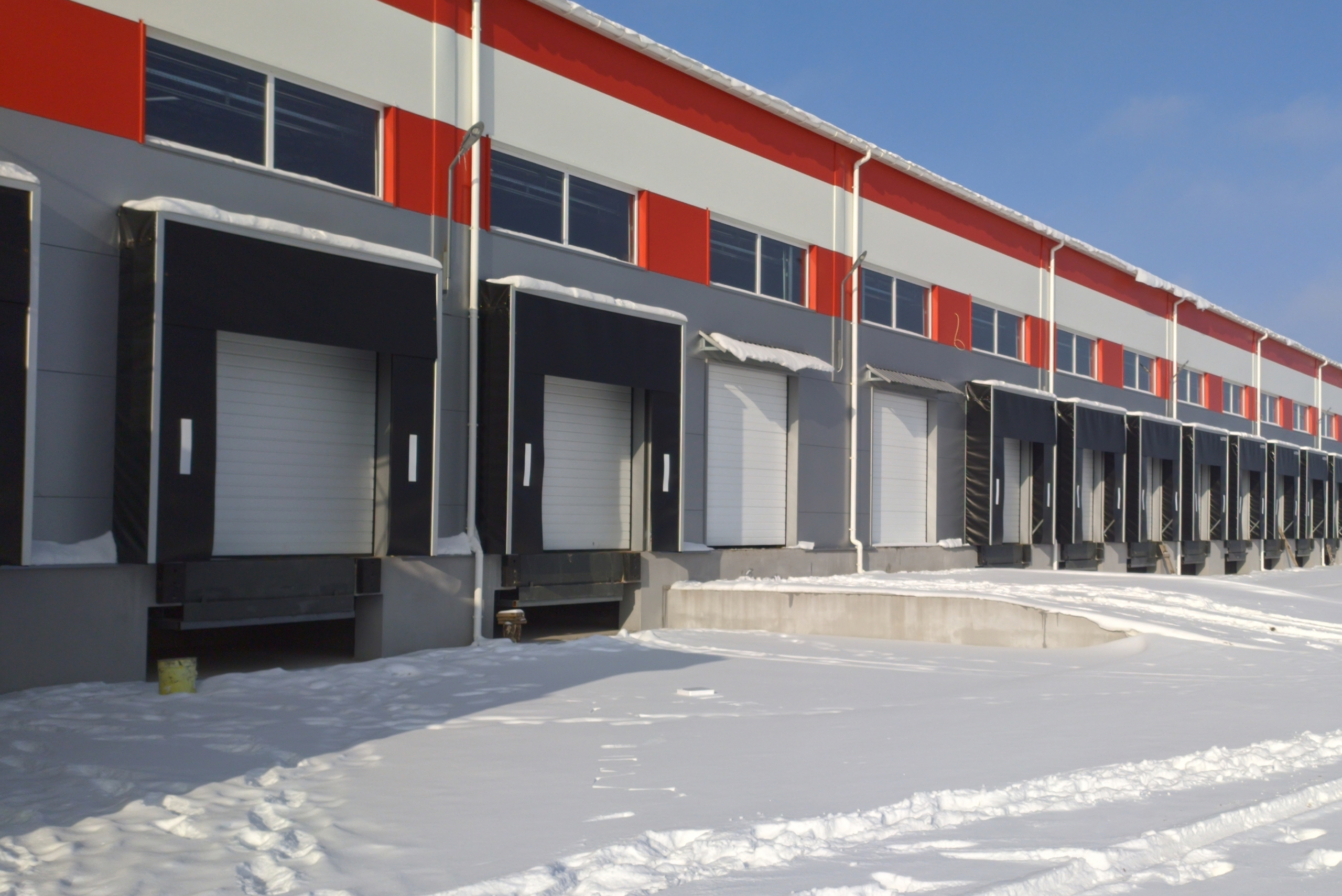
As temperatures begin to drop, your loading dock becomes more than a busy point of entry. It can also become an open invitation for cold air, moisture, and pests looking for a warmer place to spend the winter.
Fall is an ideal time for loading dock winter preparation, giving facility teams an opportunity to inspect equipment, address wear and tear, and ensure the building is properly sealed before colder weather arrives. Taking a proactive approach now can help reduce emergency repairs, improve energy efficiency and support safer operations throughout the winter months.
Common Loading Dock Gaps That Let Pests and Cold Air Inside
Worn dock seals and shelters, damaged weatherstripping, gaps around doors, and deteriorating dock equipment can leave openings that let rodents, insects, rain, snow, and cold air into your facility.
Beyond pest concerns, those same gaps can contribute to energy loss, uncomfortable working conditions, and potential exposure of products or equipment to the elements. Even small openings can become big problems when winter weather puts extra stress on loading dock systems.
A few areas worth checking before winter include:
- Dock seals and shelters: Look for tears, worn fabric, exposed foam, and areas that no longer create a tight seal around trailers.
- Overhead and loading dock doors: Inspect bottom seals, weatherstripping, and perimeter gaps that could allow pests, drafts, or moisture inside.
- Dock levelers and pits: Check for debris, gaps, and damaged components, and make sure brushes or other pest-control barriers are intact where applicable.
- Exterior areas: Keep vegetation, standing water, trash, and other pest attractants away from dock entrances.
- High-cycle equipment: Pay particular attention to doors and dock positions that see the most traffic, since wear can develop faster in these areas.
Loading Dock Winter Preparation Starts with Seal and Equipment Inspection
One of the most overlooked aspects of loading dock winter preparation is the condition of seals, shelters, and door components that create the building’s first line of defense against the elements.
Damaged or worn seals may not seem significant during mild weather, but winter conditions can quickly expose weaknesses. Cold air infiltration can increase heating costs, while moisture intrusion may lead to slippery surfaces, product damage, or equipment deterioration.
Facility managers should look for common warning signs such as:
- Cracked or missing weather seals
- Visible daylight around doors or dock openings
- Worn dock shelter fabric
- Water leaks near loading dock positions
- Increased drafts in loading areas
- Signs of pest activity near doors or levelers
Identifying these issues early lets you complete repairs before winter weather causes bigger operational disruptions.
Why Preventive Maintenance Matters Before Winter Weather Arrives
Preventive maintenance can help identify worn seals, damaged components, and other vulnerabilities before colder weather adds stress to your facility.
A proactive fall inspection also gives your team time to make necessary repairs instead of discovering a problem after temperatures have dropped or after a pest has already found its way inside.
- Regular maintenance can also help:
- Extend the life of loading dock equipment
- Reduce unexpected downtime
- Improve employee comfort in dock areas
- Support more consistent facility performance
- Minimize energy loss caused by air infiltration
Even the most effective pest control program can struggle when worn dock seals, damaged weatherstripping, or gaps around equipment create easy entry points. Maintaining the physical barriers around your loading dock helps support your overall pest-management strategy while improving safety, efficiency, and facility performance.
Don’t Wait For Winter To Find the Problem
Successful loading dock winter preparation is about more than responding to issues after they occur. A proactive inspection can help identify vulnerabilities before they turn into costly repairs, operational delays, or safety concerns.
As winter approaches, take time to inspect loading dock doors, seals, shelters, levelers, and related equipment to keep your facility protected from pests, moisture, drafts, and unnecessary downtime.
MINER can inspect your loading dock equipment, identify areas of concern, and help build a proactive maintenance plan designed to keep your facility safe, sealed, and moving through every season.